
Busting Myths About Wine Storage: What You Need to Know
RW
Understanding Wine Storage: Common Misconceptions
Wine storage is often surrounded by myths and misconceptions that can lead to improper care of your cherished bottles. Whether you're a seasoned collector or a casual enthusiast, understanding the truth about wine storage is essential to preserving the quality and flavor of your wine.
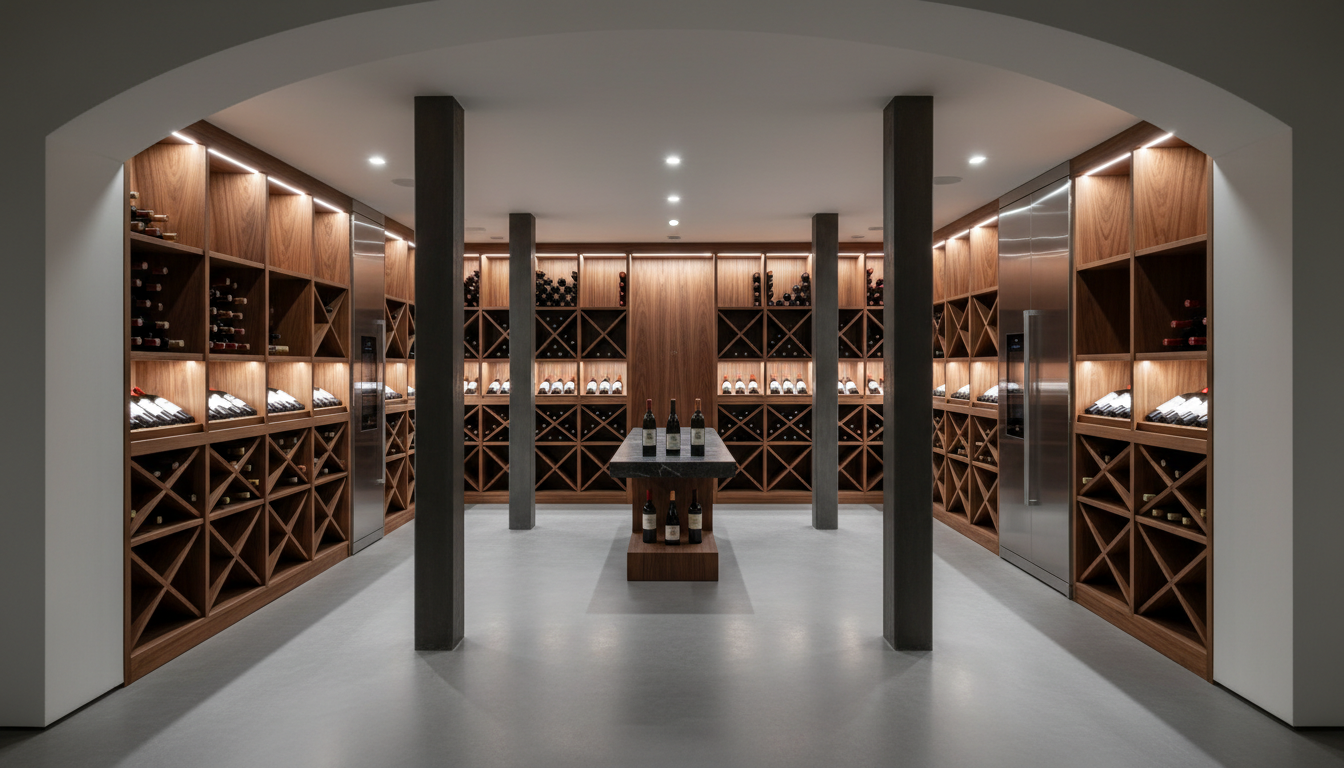
Myth 1: All Wine Needs to Be Stored Horizontally
While it's true that many wines are stored horizontally, this method is most important for wines with cork closures. Storing these bottles on their side keeps the cork moist, preventing it from drying out and allowing air to seep in. However, wines with screw caps or synthetic corks can be stored upright without any negative effects.
For those with limited space, it's perfectly acceptable to store non-cork wines vertically. Just ensure they are kept in a consistent environment to maintain their quality.
Myth 2: Wine Needs to Be Stored in Complete Darkness
While it's beneficial to keep wine out of direct sunlight, complete darkness isn't necessary. Light, especially UV rays, can cause wine to age prematurely and alter its taste. A dimly lit room or a wine fridge with UV-resistant glass is usually sufficient to protect your collection.
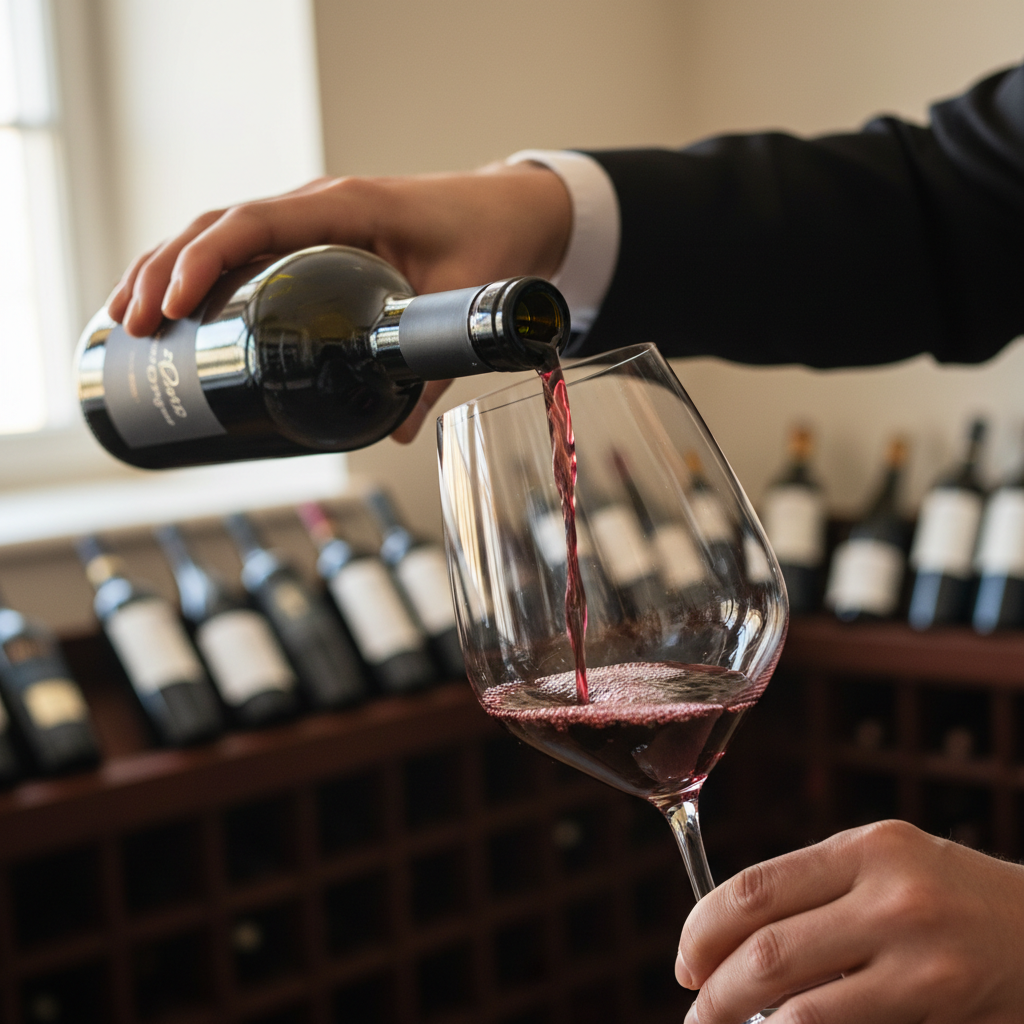
Myth 3: Wine Should Be Stored at a Very Cold Temperature
Contrary to popular belief, wine doesn't need to be stored at refrigerator temperatures. The ideal storage temperature is around 50-55°F (10-13°C). This range helps preserve the wine's flavor and aroma over time without causing the liquid to expand or contract excessively.
Storing wine too cold can mute its flavors, while too warm can speed up the aging process. A dedicated wine fridge can help maintain a consistent temperature, ensuring your wine remains in perfect condition.
Myth 4: All Wines Improve with Age
It's a common misconception that all wines get better over time. In reality, only certain wines are designed to age well. Most wines on the market are intended for immediate consumption and won't necessarily improve with prolonged storage.
Understanding which wines benefit from aging and which do not is crucial for making the most of your collection. Researching the specific varietal and vintage can provide guidance on whether to enjoy your wine now or let it mature.
Conclusion: Storing Wine Correctly
Busting these myths helps ensure that your wine remains as the winemaker intended. By understanding the nuances of wine storage, you'll be better equipped to enjoy your collection at its best.
Always remember, the key to successful wine storage is consistency. Whether it’s maintaining the right temperature, humidity, or light exposure, keeping these factors stable will help preserve the quality of your wine for years to come.