
Common Myths About Wine Storage: What You Need to Know
RW
Understanding the Basics of Wine Storage
When it comes to storing wine, there are numerous myths that can lead even the most seasoned enthusiasts astray. Proper wine storage is crucial to preserving the flavor and quality of your bottles, and debunking these myths is the first step toward ensuring your wine remains at its best.
One common misconception is that wine must be stored at very cold temperatures. While temperature control is important, storing wine too cold can mute its flavors and aromas. Ideally, wine should be stored at a consistent temperature between 45°F and 65°F.
The Myth of the Perfect Darkness
Another prevailing myth suggests that wine should be kept in complete darkness. While it's true that UV rays can damage wine, moderate exposure to indirect light won’t harm your bottles. However, it’s best to avoid direct sunlight and opt for a dimly lit area to prevent any potential degradation.
It’s also important to note that artificial lights, such as LEDs, are generally safe for wine storage. These lights do not emit significant UV rays and won’t impact the wine's quality.

Horizontal vs. Vertical Storage
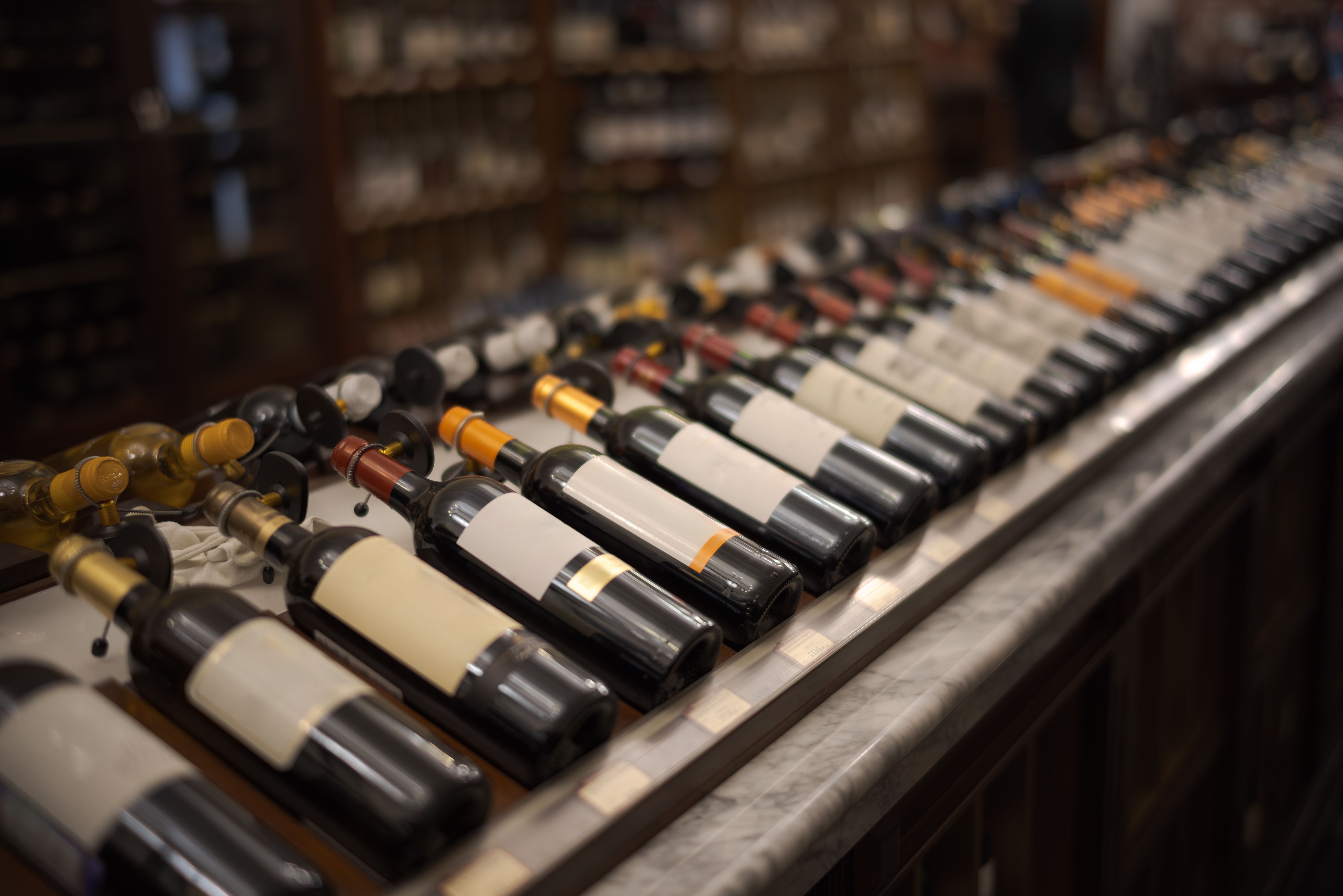
Many believe that wine must always be stored horizontally. This is true for wines with cork closures, as keeping the liquid against the cork prevents it from drying out. However, wines with screw caps or synthetic corks can be stored vertically without any adverse effects.
Horizontal storage is advantageous for maximizing space, but the necessity depends on the type of closure your wine has. Always consider the bottle’s seal when deciding how to store it.
The Role of Humidity
Humidity is often misunderstood in the context of wine storage. Some people think extreme humidity levels are required, but in reality, a moderate humidity level of around 70% is sufficient. This prevents the cork from drying out without promoting mold growth.
Using a hygrometer can help you monitor humidity levels, ensuring that your wine is stored in the best possible environment.
Long-Term Storage Myths
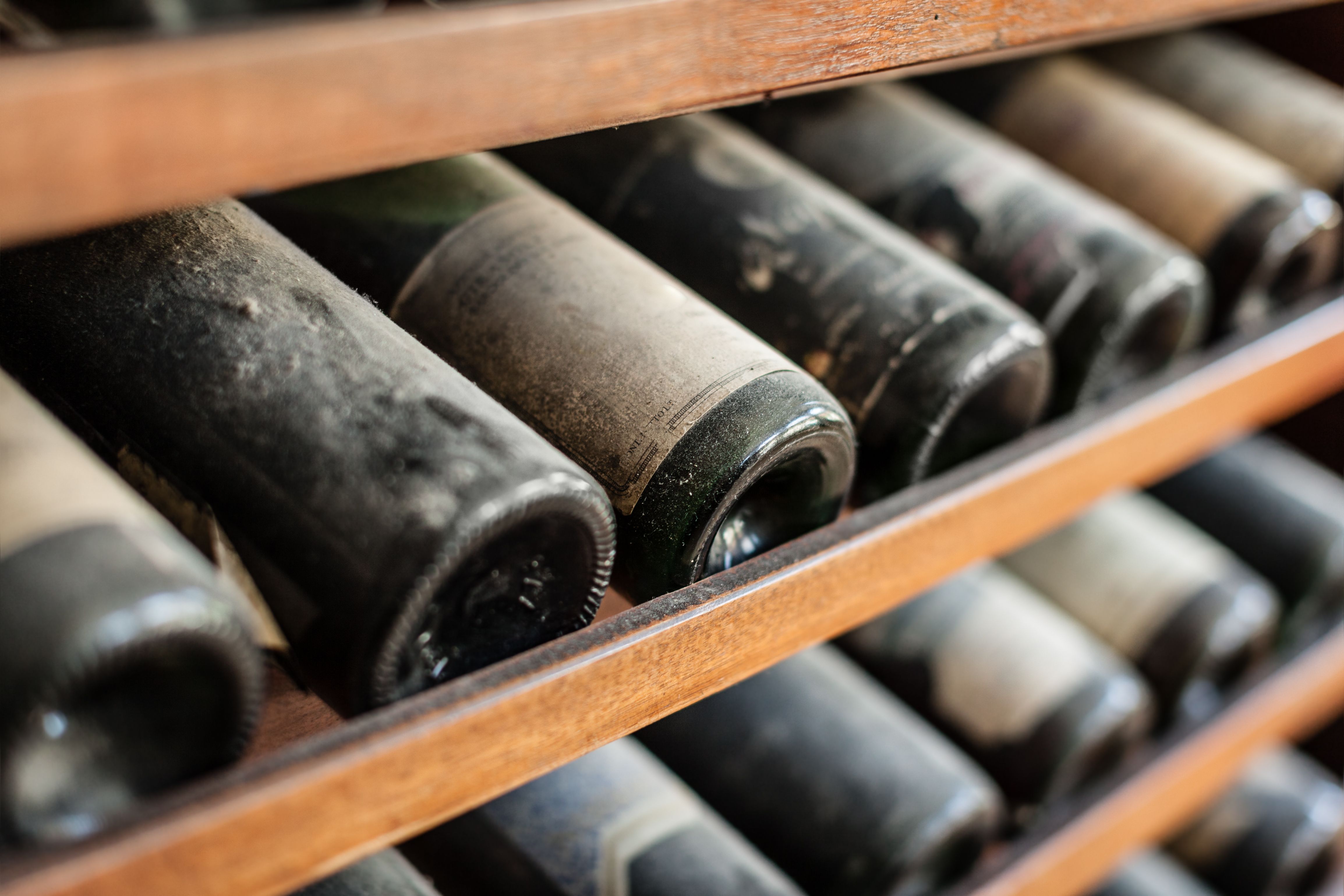
Lastly, there's a myth that all wines benefit from aging. In truth, only select wines improve with time. Most wines are crafted for immediate consumption and do not require long-term storage. Understanding which wines are meant to age can save you from disappointment and ensure you enjoy your collection at its peak.
By debunking these common myths about wine storage, you can enhance your wine experience and ensure every bottle is enjoyed to its fullest potential. Remember, storage conditions are key to preserving the nuanced flavors and aromas that make wine so delightful.