
Myths About Wine Storage: What Every Collector Should Know
RW
The Myth of Temperature Stability
One of the most common myths about wine storage is the idea that wine must be kept at a constant temperature at all times. While it's true that wine should be stored in a cool environment, the key is to avoid extreme fluctuations. A minor variation in temperature won't ruin your wine, but consistent exposure to high temperatures can.
Many collectors believe that wine should be kept at exactly 55°F (13°C). However, the ideal range is generally between 45°F and 65°F (7°C to 18°C), with stability being more crucial than hitting a specific number. Consistent temperatures prevent the wine from aging prematurely.
Humidity Levels: How Much is Enough?
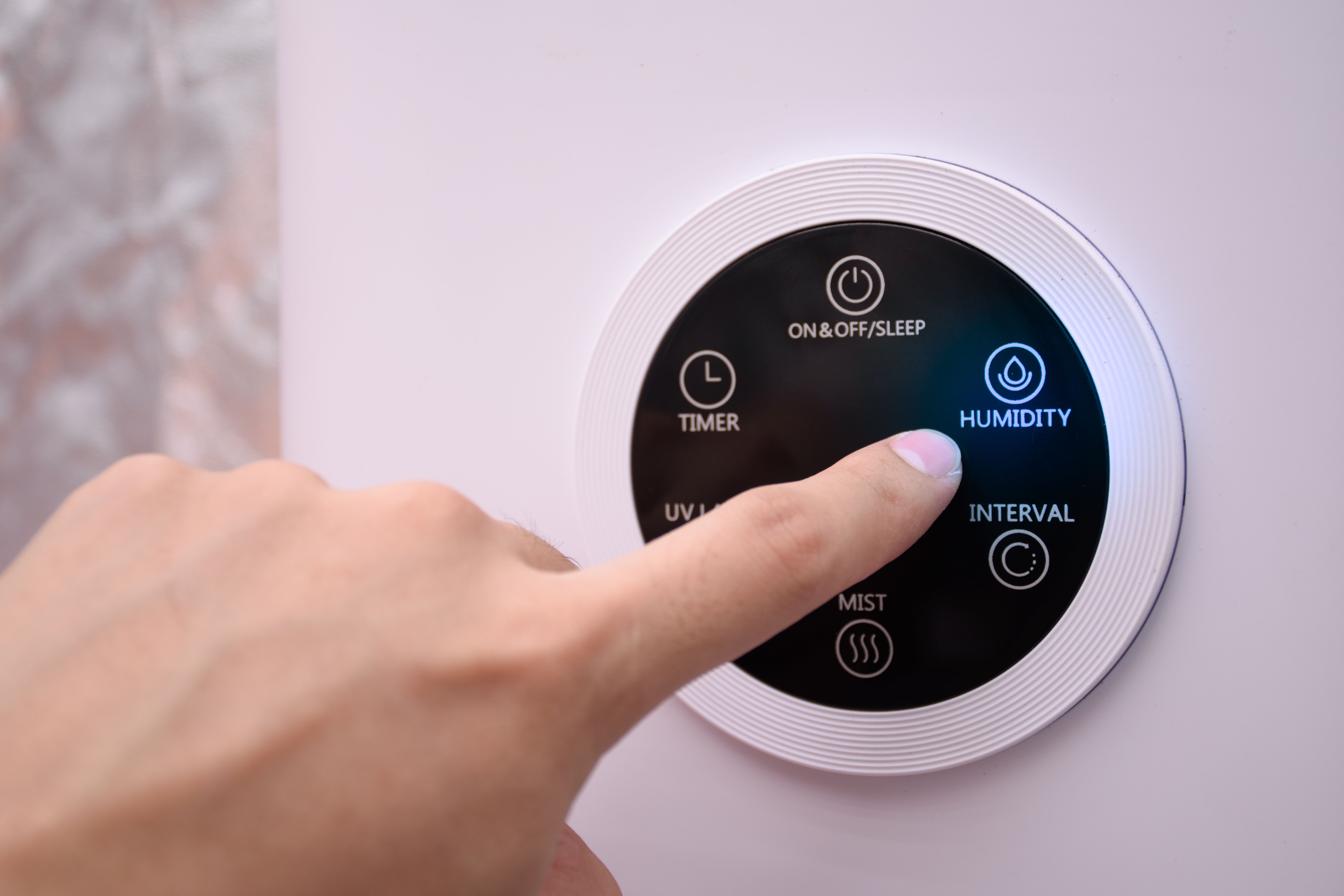
Another prevalent myth is that wine storage requires high humidity. While some moisture is beneficial, excessive humidity can lead to mold growth, which can damage wine labels and corks. A humidity level between 50% and 70% is ideal for most collections.
Maintaining proper humidity ensures that the cork remains moist, preventing air from seeping into the bottle and spoiling the wine. Use a hygrometer to monitor the humidity levels in your storage area, and consider using a humidifier or dehumidifier if necessary.
Light Exposure: The Silent Saboteur
Light exposure is often overlooked, yet it can significantly impact the quality of your wine. Ultraviolet (UV) rays can degrade and age wine prematurely. This is why wine is often stored in dark bottles and why cellars are typically dimly lit.
To protect your collection, store wine in a dark place or use UV-filtering films on windows. LED lights are a safer choice for wine storage areas as they emit minimal heat and no UV rays.
The Truth About Bottle Positioning
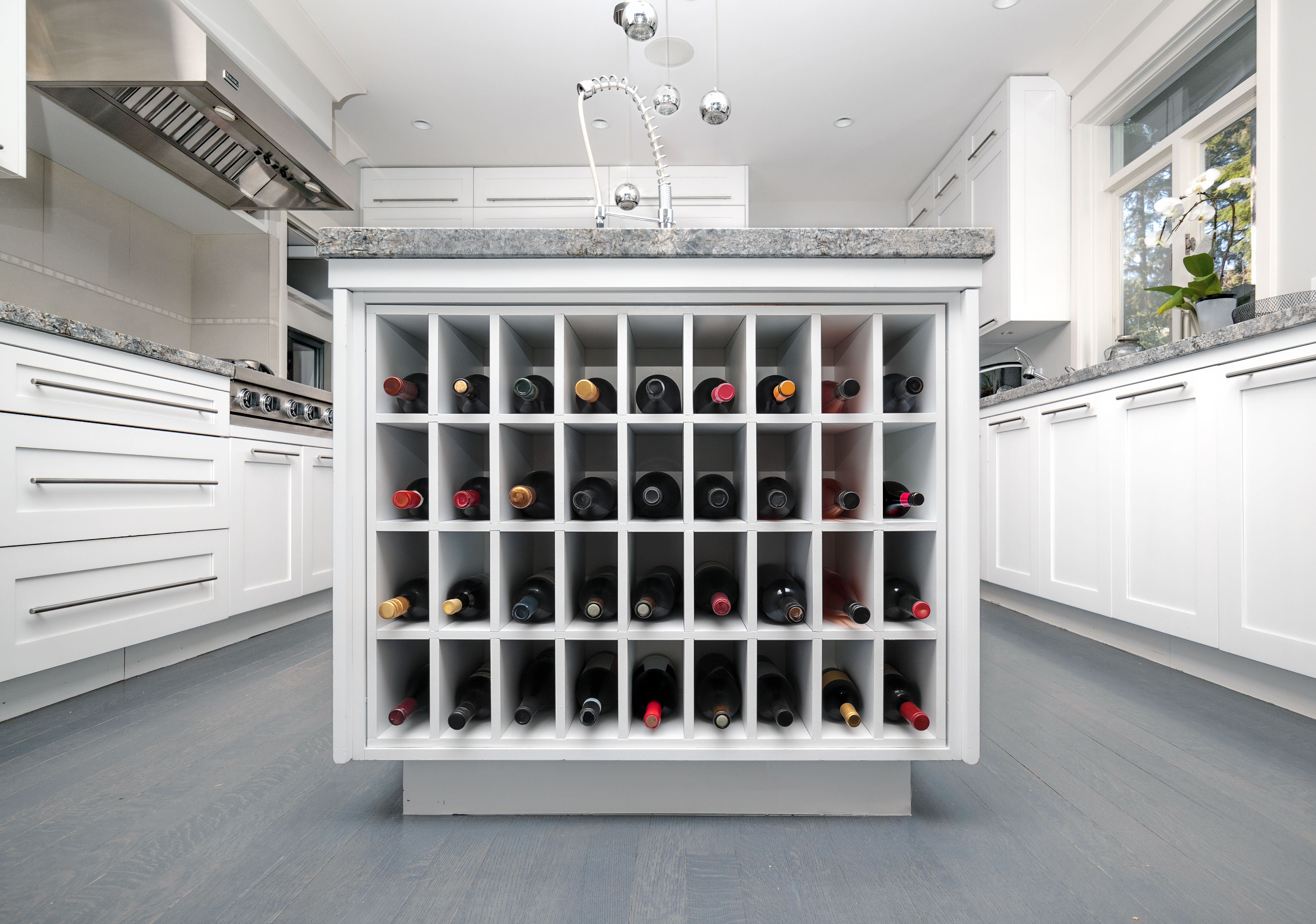
Many believe that wine bottles must always be stored horizontally. While this is generally true for cork-sealed bottles, allowing the wine to keep the cork moist, it’s less critical for bottles with screw caps or synthetic corks.
For collectors with diverse collections, it's essential to know the type of closure on each bottle. Storing bottles horizontally saves space and ensures cork integrity, but modern closures offer more flexibility.
The Importance of Vibration Control
Vibration is another factor often underestimated by collectors. Constant movement can disturb the sediment in wine, affecting its aging process. This is why it’s crucial to store wine in a stable environment, free from vibrations caused by appliances or heavy foot traffic.
Specialized wine coolers with vibration control features are available for those serious about preserving their collection’s integrity. Consider investing in one if your storage area is prone to disturbances.
Conclusion: Debunking Myths for Better Wine Storage
Understanding the myths surrounding wine storage can significantly enhance your ability to maintain a pristine collection. By focusing on temperature stability, proper humidity, light exposure, bottle positioning, and vibration control, you can ensure that your wine ages gracefully, offering the best possible tasting experience.
Remember, the key to successful wine storage is a balanced approach. With the right conditions, your wine will mature perfectly, ready to be enjoyed at its peak.