
Myths About Wine Storage: What You Need to Know
RW
Wine storage is often surrounded by myths and misconceptions that can lead to less-than-ideal conditions for your bottles. Understanding the truth behind these myths is essential for preserving and enhancing the quality of your wine collection.
Myth 1: All Wines Need to Be Stored Horizontally
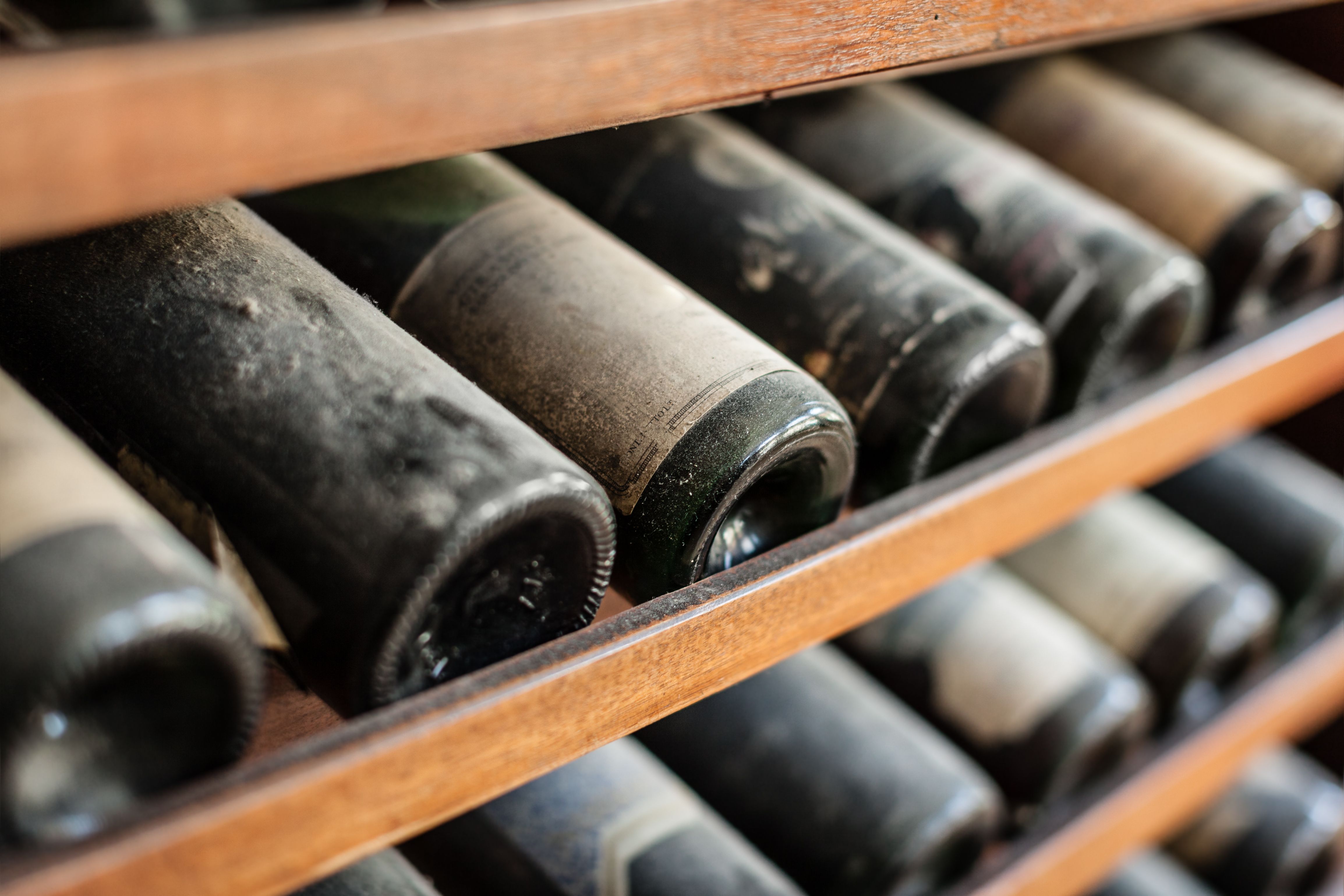
One of the most common beliefs is that all wines should be stored horizontally. While it’s true that wines sealed with a cork benefit from being on their side, as it keeps the cork moist and prevents air from entering, wines with screw caps or synthetic corks don't require this positioning. Consider the type of closure when deciding how to store your wine.

Why Horizontal Storage Matters
For traditional cork-sealed bottles, horizontal storage is crucial. It ensures the cork remains in contact with the wine, preventing it from drying out. A dry cork can shrink, allowing air to enter the bottle, which could lead to oxidation and spoilage.
Myth 2: Wine Needs to Be Stored in a Dark Place
While light can indeed affect wine, especially UV rays, not all wines require complete darkness. Red wines are more susceptible to light damage, but white and rosé wines are often bottled in UV-filtering glass. It's more important to avoid direct sunlight and maintain a consistent environment.

The Role of Temperature
Temperature plays a more significant role than light when it comes to wine storage. Wines should be stored at a consistent temperature, ideally between 45°F and 65°F. Fluctuations can lead to premature aging or spoilage.
Myth 3: All Wine Improves with Age
Not all wines are meant to be aged. Many wines are crafted for immediate enjoyment and do not benefit from long-term storage. Typically, only certain red wines and some white wines have the structure to improve over time. Always consider the wine’s ageability before deciding to store it for the long haul.
Aging Potential
The potential for aging depends on several factors, including the grape variety, vintage, and winemaking techniques. Researching these elements will help you determine which wines are worth aging and which are best enjoyed sooner.
Myth 4: Wine Needs to Breathe Before Storage
There is a misconception that wine should be opened to breathe before storage. In reality, once a bottle is opened, it should be consumed within a few days. Oxygen exposure can cause wine to lose its flavor and aroma. If you plan to store wine, keep it sealed until you're ready to drink it.
Preserving Opened Wine
If you do have leftover wine, consider using a wine stopper or vacuum seal to preserve it for a few extra days. These tools minimize oxygen exposure and help maintain the wine's integrity.