
Seasonal Wine Storage Tips: Keeping Your Collection Safe Year-Round
RW
Understanding Seasonal Changes
Storing wine isn't just about finding a dark corner of your home and leaving it there. Seasonal changes can significantly impact the quality of your wine. Temperature fluctuations, humidity levels, and even light exposure can alter your wine's flavor profile. Understanding these factors will help you maintain an optimal environment year-round.
Temperature Control
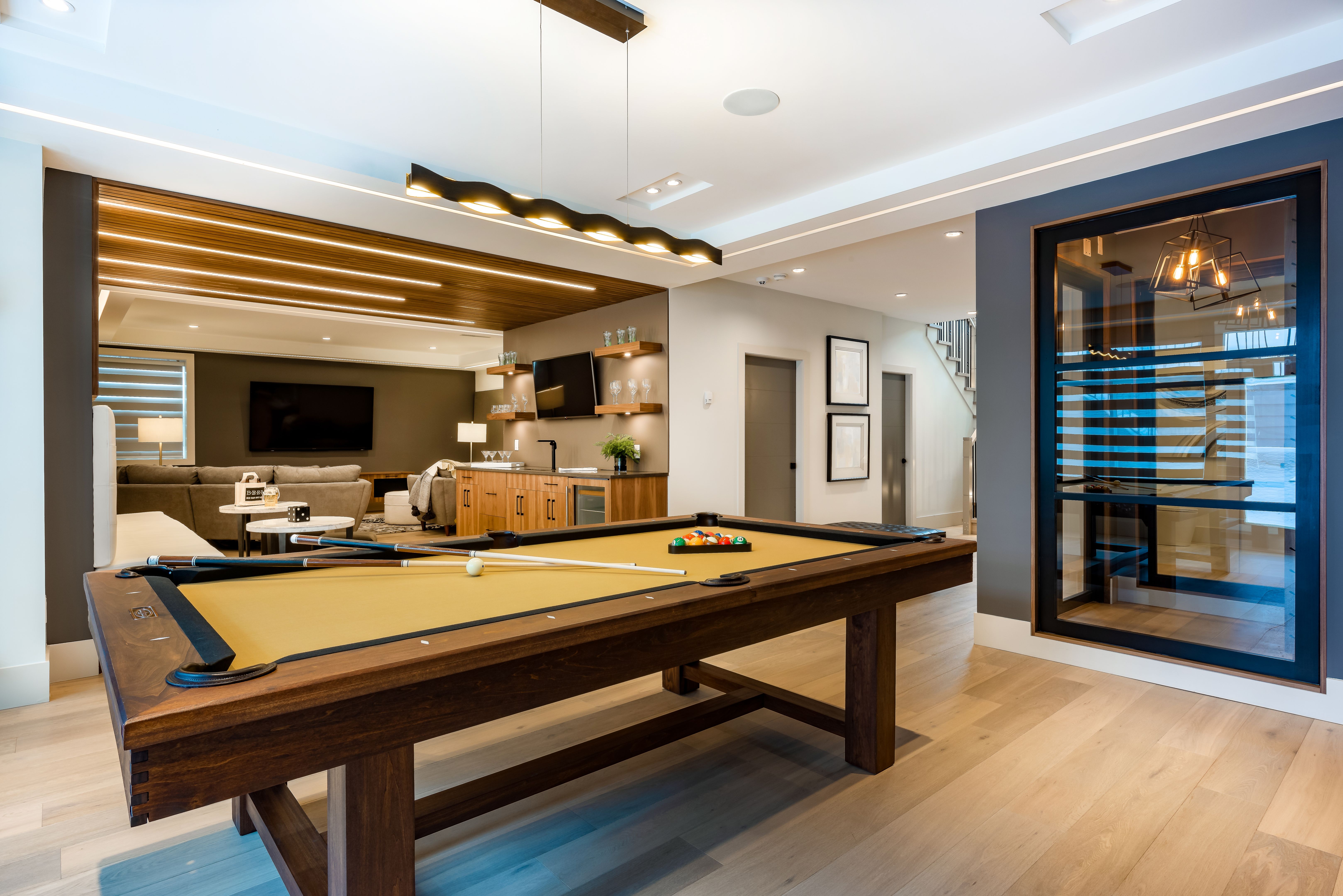
Temperature is the most critical factor in wine storage. Ideally, wine should be stored at a consistent temperature between 45°F and 65°F. Fluctuations outside this range can cause the wine to expand and contract, potentially ruining its taste and aroma.
During hotter months, consider investing in a wine cooler or dedicated wine refrigerator. These appliances maintain a steady temperature, ensuring your collection remains safe from heat damage.
Humidity Levels
Maintaining the right humidity level is essential to protect the cork and prevent spoilage. Aim for a humidity level of around 70%. Too much humidity can cause mold, while too little can dry out the cork, allowing air to seep into the bottle.
Use a humidifier or dehumidifier as needed to maintain the ideal humidity. This is especially important in areas with extreme seasonal changes.
Protecting from Light
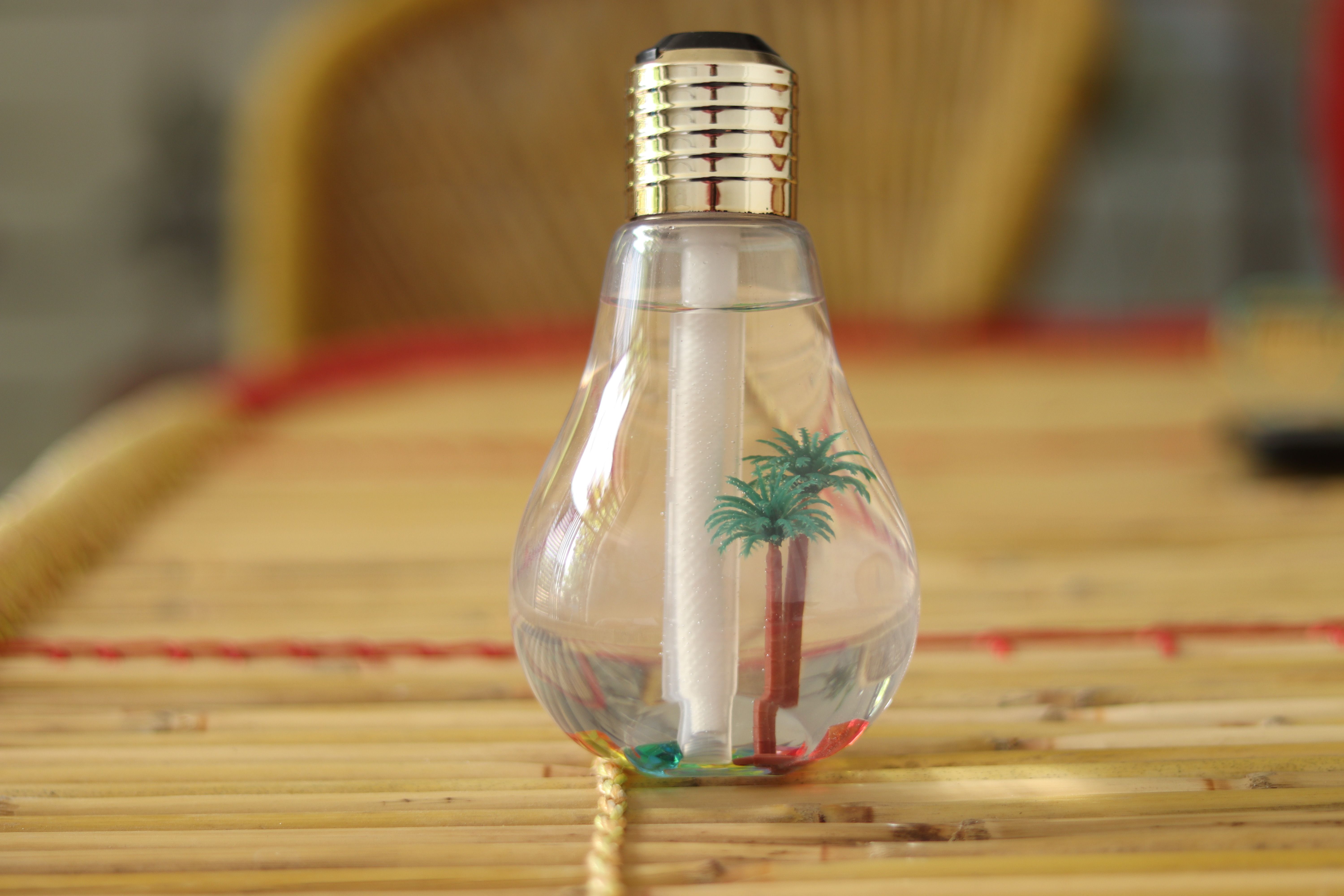
Light exposure can prematurely age wine, affecting its taste and color. Store your wine in a dark place, away from direct sunlight and fluorescent lighting. If your wine collection is in a room with windows, consider using blackout curtains or UV-resistant film to protect it.
Vibration and Movement
Vibration can disturb the sediment in wine, affecting its quality over time. Ensure that your wine storage area is free from constant vibrations, such as those from household appliances or nearby traffic.
If you live in an area prone to earthquakes or heavy traffic, consider using specialized racks or pads to minimize movement.
Seasonal Inventory Check
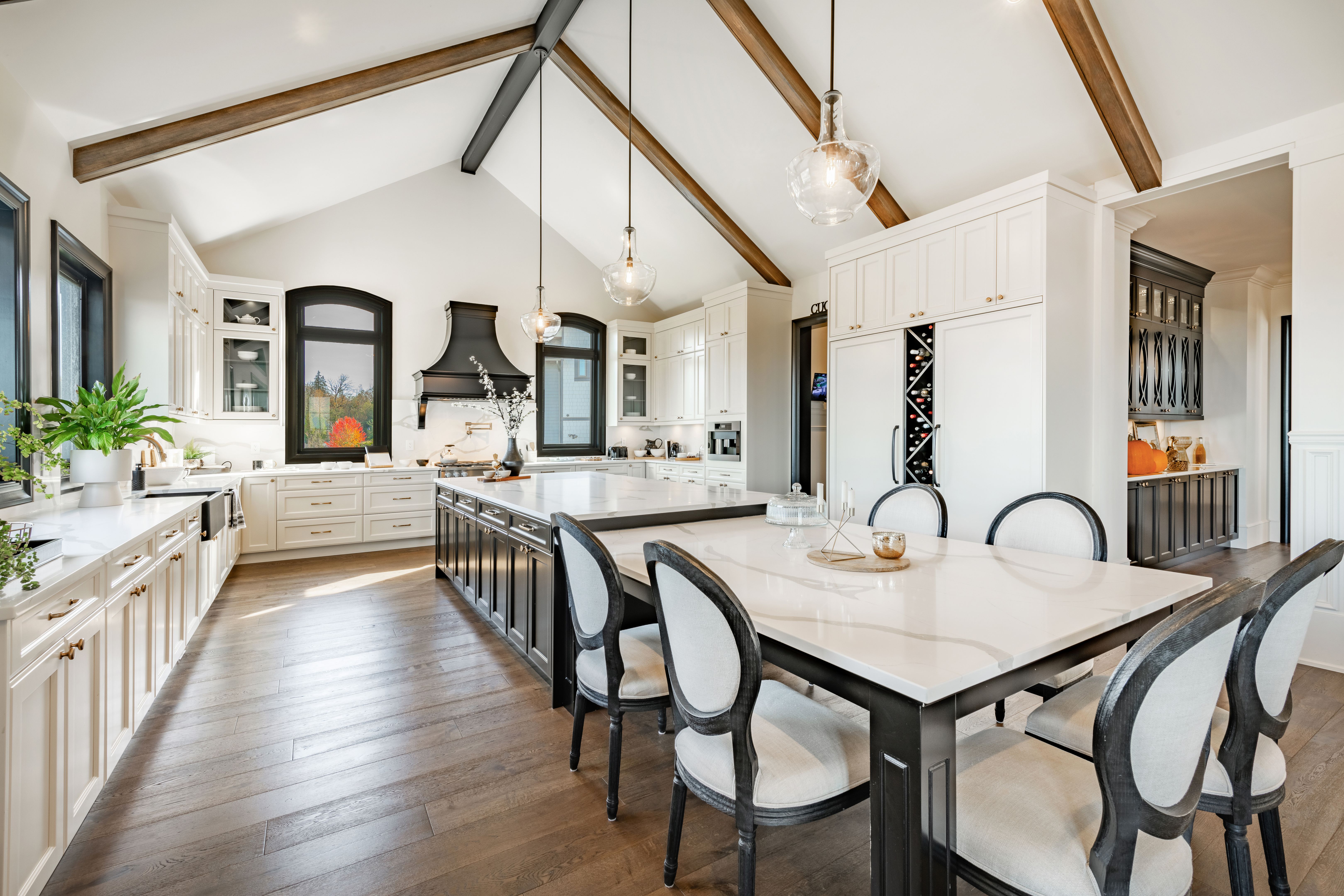
As the seasons change, take the opportunity to perform a seasonal inventory check. This involves inspecting your collection for any signs of spoilage, such as leakage or mold, and rearranging bottles to ensure optimal conditions.
Regular checks allow you to address any issues before they affect your entire collection, preserving both the quality and value of your wines.
Conclusion
By understanding and adapting to seasonal changes, you can keep your wine collection safe and in perfect condition all year round. Whether you're a casual collector or a serious enthusiast, these tips will help you enjoy your wine at its best.
Remember, the key to successful wine storage is consistency. Maintain stable conditions, and your collection will reward you with excellent taste and quality for years to come.