
The Impact of Devon's Climate on Wine Storage and How to Adapt
RW
Devon's unique climate plays a significant role in the storage of wine, affecting everything from temperature stability to humidity levels. Understanding these factors is crucial for wine enthusiasts and collectors looking to preserve the quality of their collections.

Understanding Devon's Climate
Sitting in the southwest of England, Devon enjoys a temperate maritime climate, characterized by mild summers and cool, wet winters. This climate can be both a boon and a challenge for wine storage. The relative humidity and temperatures must be carefully managed to prevent spoilage.
The mild temperatures mean that extreme heat is rarely an issue. However, the fluctuating temperatures, especially during seasonal transitions, can impact wine quality if not properly managed. Consistency is key in maintaining wine integrity.
Humidity Considerations
Humidity is another critical factor in wine storage. Devon's climate naturally maintains a higher humidity, which can be beneficial for keeping corks moist and preventing oxidation. However, excessive humidity can lead to mold growth on labels and corks.
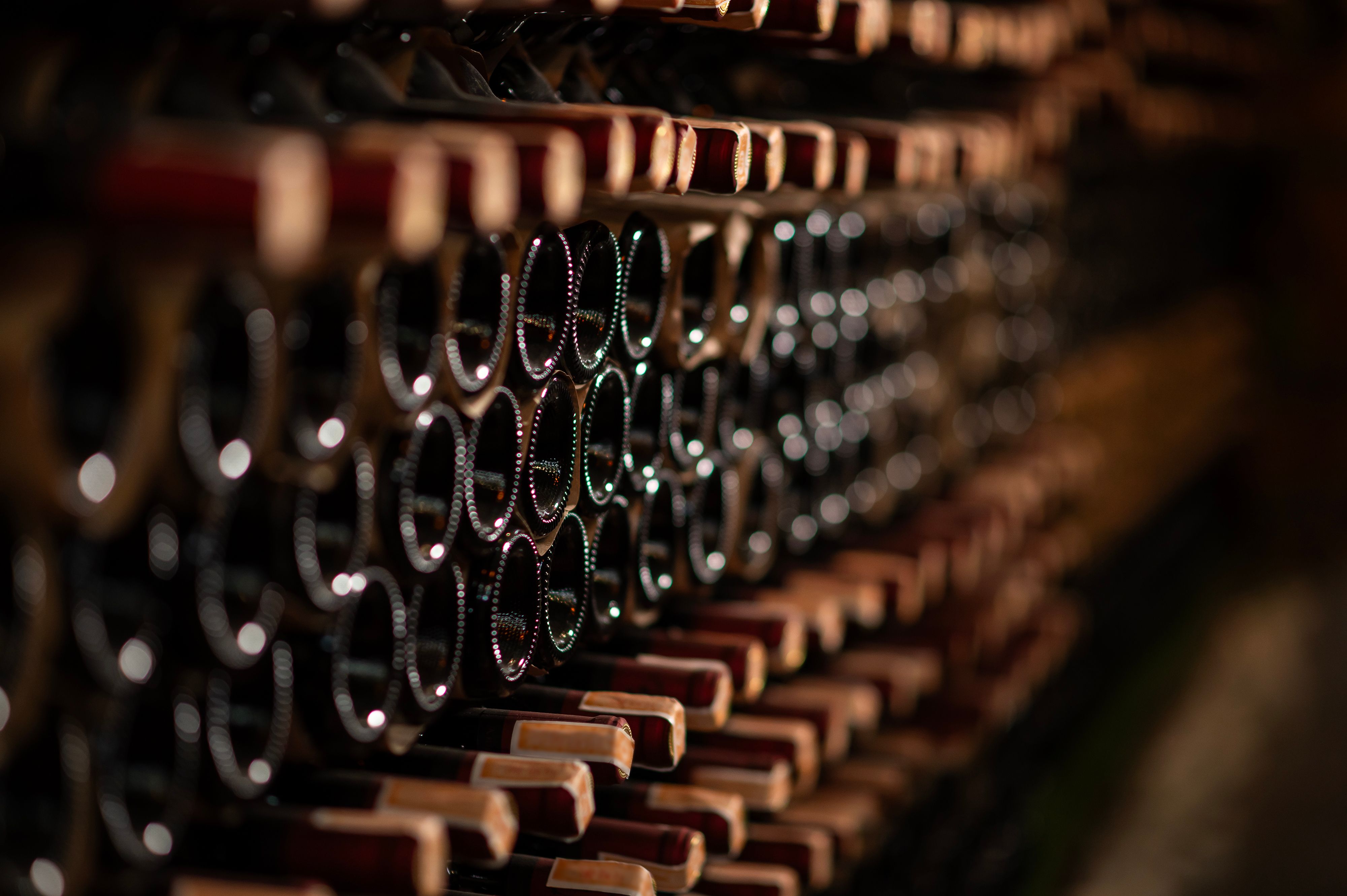
To adapt, it's essential to monitor and control the humidity levels within your storage area. Aim for a level between 60-70% to protect your wine while minimizing the risk of mold.
Temperature Management
While Devon's cool climate helps prevent overheating, it’s important to maintain a stable temperature in your wine storage. Fluctuations can cause the wine to expand and contract, potentially leading to seepage or premature aging.
Consider investing in a wine cooler or a climate-controlled cellar. These solutions can maintain a steady temperature, typically between 10-15°C (50-59°F), ideal for long-term storage.

Choosing the Right Storage Location
Location is crucial when storing wine. Select a place in your home that is not subject to direct sunlight or significant temperature changes. A basement or dedicated wine room can be perfect, as they offer natural insulation and protection from the elements.
- Ensure the space is dark to prevent UV light exposure.
- Keep the area free from vibrations, which can disturb wine sediment.
Using Technology to Your Advantage
Modern technology offers tools to maintain optimal storage conditions. Smart wine storage solutions can monitor and adjust environmental factors, sending alerts to your phone if there are any issues.
- Invest in a wine cellar management system.
- Utilize smart sensors for temperature and humidity.
By leveraging these technologies, you can ensure your wine collection remains in pristine condition, regardless of the external climate variations.
In summary, while Devon's climate presents unique challenges for wine storage, understanding and adapting to these conditions ensures your collection thrives. With the right strategies, you can enjoy your wines at their best for years to come.